search
Air cooled condensers are critical components in cooling systems, used in various industrial, commercial, and residential applications. They help to regulate temperature and ensure efficient performance in systems like HVAC units, refrigeration, and industrial cooling processes. However, to maximize the performance and lifespan of these condensers, proper maintenance practices are essential.
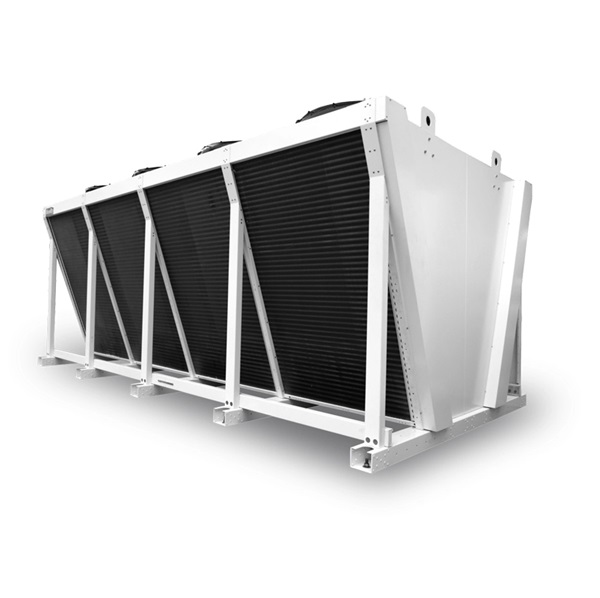
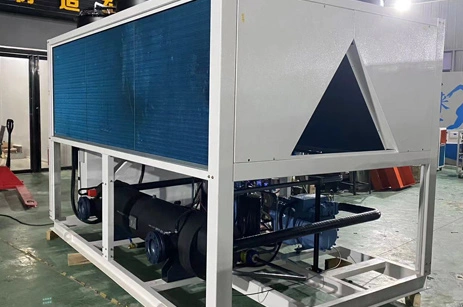
One of the most important maintenance tasks for air cooled condensers is regular cleaning. Over time, dust, debris, and environmental contaminants can accumulate on the condenser coils and fins, obstructing airflow and reducing the unit's ability to release heat. Inadequate airflow can lead to increased energy consumption, higher operational costs, and reduced efficiency. To prevent this, it is essential to clean the condenser coils and fins regularly, removing any buildup of dirt or debris. For air cooled condensers manufactured in China, like those offered by FSE, ensuring the cleanliness of these components will help maintain the system's performance and extend its service life. Cleaning should be done using a soft brush or air compressor to avoid damaging the coils, and for more thorough cleaning, a mild detergent solution can be applied. Regular cleaning prevents overheating and ensures that the condenser functions at its peak efficiency.
Filters and fans are integral to the functioning of air cooled condensers. Filters help prevent debris from entering the system, while fans ensure proper airflow to expel heat. Over time, these components can degrade or become clogged, reducing the efficiency of the condenser. It is important to regularly inspect the filters and replace them if they are damaged or excessively clogged. The fan blades should also be checked for any signs of wear or imbalance, as this can lead to vibrations, noise, and further damage to the condenser unit. Regular fan inspections and maintenance are especially important for air cooled condensers used in harsh industrial environments. FSE's air cooled condensers, which are built to withstand tough conditions, still benefit from periodic checks to maintain consistent performance and avoid costly repairs.
Air cooled condensers work in conjunction with refrigeration systems, and proper refrigerant levels are essential for optimal performance. Low refrigerant levels can cause the condenser to overheat, reducing its efficiency and leading to potential system failure. It's important to regularly check the refrigerant levels and ensure they are within the manufacturer's recommended range. If there is a refrigerant leak or if the levels are too low, the system should be recharged with the appropriate refrigerant. Air cooled condenser manufacturers, including those in China, typically provide guidelines on how to monitor and manage refrigerant levels for specific models. Ensuring that your system maintains the correct refrigerant charge will help prevent unnecessary wear and tear on the unit, improving its longevity and ensuring consistent performance.
Airflow and ventilation are crucial factors in the efficient operation of air cooled condensers. If the area surrounding the condenser is obstructed, or if ventilation is inadequate, the system will struggle to expel heat effectively, leading to inefficiency and overheating. It's important to ensure that the area around the condenser is clear of obstructions such as leaves, debris, and any objects that could block the airflow. Additionally, maintaining proper ventilation in the installation area helps the condenser operate at its peak performance. For businesses that source air cooled condensers from manufacturers in China, including FSE, ensuring that the unit is placed in an open area with sufficient ventilation is crucial for optimal operation. Regularly checking the vents and ensuring they are clean and unblocked is a simple yet effective way to enhance the performance and longevity of the condenser.
When choosing a condenser for your system, understanding the differences between air cooled and water cooled condensers is important, particularly in terms of maintenance requirements and efficiency. Air cooled condenser china, like those provided by FSE, are typically more environmentally friendly and easier to maintain because they do not require water as a cooling medium. However, they are more dependent on proper airflow and regular cleaning to ensure efficient operation. In contrast, water cooled condensers may require more complex maintenance, such as water treatment and the management of scale buildup, but they tend to offer higher heat rejection efficiency in certain conditions. Below is a comparison of key maintenance aspects for air cooled vs. water cooled condensers:
Feature | Air Cooled Condenser | Water Cooled Condenser |
Maintenance Complexity | Relatively simple, requires cleaning and airflow checks | More complex, requires water treatment and plumbing maintenance |
Efficiency in High Temperatures | Can be less efficient in very hot environments | More efficient in high-temperature settings |
Environmental Impact | Lower environmental impact, no need for water usage | Higher environmental impact due to water usage and potential for chemical treatments |
Lifespan | Long lifespan with regular cleaning and proper airflow | Requires more frequent maintenance, but often lasts longer with proper water management |
Cost of Maintenance | Lower overall maintenance costs | Higher due to water treatment and potential corrosion issues |
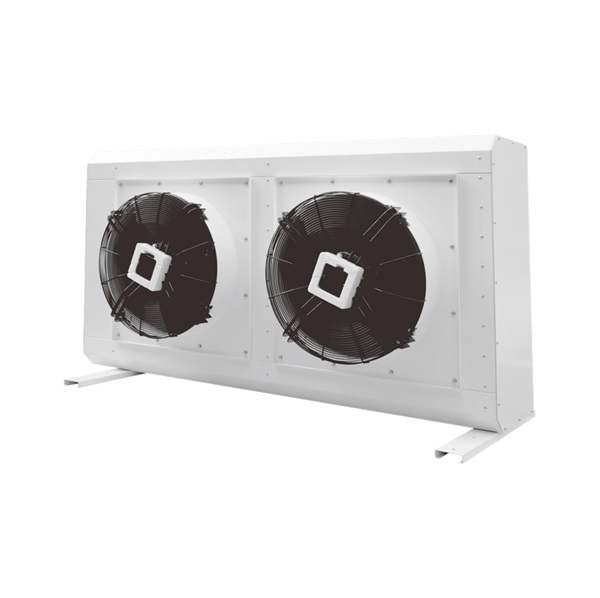
Proper maintenance of air cooled condensers is essential for ensuring longevity, maintaining performance, and preventing costly repairs. Regular cleaning, inspecting filters and fans, monitoring refrigerant levels, and ensuring adequate airflow are all critical factors in keeping the system running efficiently. Whether you purchase from air cooled condenser manufacturers in China, like FSE, or other sources, adhering to these best practices will help extend the life of your unit and improve its performance. By committing to regular maintenance, businesses can avoid downtime and costly repairs while optimizing their cooling systems for maximum efficiency.
References: