search
Before a bag of ice reaches a supermarket, seafood market, restaurant, or cold chain facility, it has already passed through multiple production stages. Among them, packaging is the moment when efficiency, accuracy, and product presentation come together. A reliable automatic ice packing machine ensures that freshly produced ice can be quickly transformed into a properly sealed, accurately weighed, and market-ready product.
For growing ice manufacturers, packaging is no longer just a final handling step. It has become a key factor that influences production capacity, labor efficiency, delivery speed, and customer satisfaction. By automating weighing, filling, and sealing processes, an automatic ice packing machine helps businesses build a more stable and efficient production workflow.
However, selecting the right packing equipment requires a comprehensive understanding of business needs. The fastest machine is not always the best choice, and the lowest-cost option may create higher expenses in the future. Performance, durability, automation level, energy efficiency, and supplier reliability all need to be carefully evaluated.
This article reveals seven key factors to consider when buying an automatic ice packing machine, helping businesses make smarter purchasing decisions and choose equipment that supports long-term production success.
The first factor to consider when purchasing an automatic ice packing machine is whether the equipment matches your current ice production capacity and packaging requirements. Different ice manufacturers operate at different scales, and packaging equipment should be selected according to actual production volume rather than simply choosing the largest available model.
A suitable packing system should work smoothly with the entire ice production line. If the packaging speed is lower than the ice output, it can create a production bottleneck and affect delivery efficiency. On the other hand, investing in excessive packaging capacity may increase initial costs without providing practical benefits.
Before making a decision, businesses should evaluate several factors, including ice type, package size, bag weight, daily output, and expected working hours. For example, a facility producing large quantities of bagged cube ice may require different specifications compared with a business packaging flake ice for seafood applications.
A properly selected automatic ice packing machine creates a balanced workflow between ice production, packaging, storage, and distribution. This helps manufacturers maintain stable output while improving overall operational efficiency.
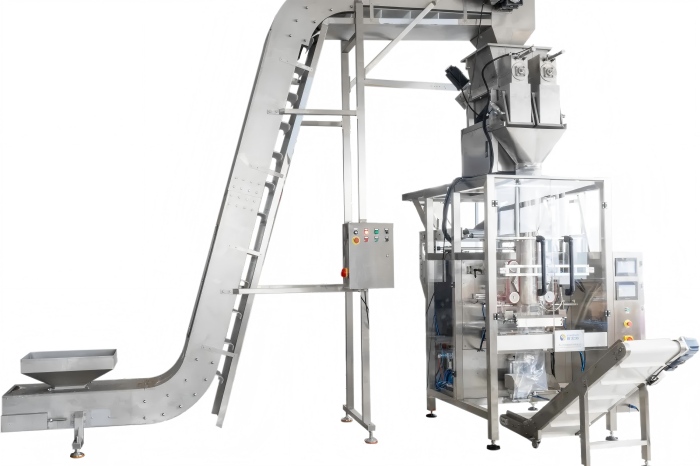
Packaging speed directly affects how much finished ice a business can deliver within a certain period. For companies with high production demands, an efficient automatic ice packing machine can significantly improve daily productivity by reducing manual handling and increasing packaging consistency.
Modern packaging systems can integrate multiple functions, including automatic weighing, bag opening, filling, sealing, and finished package transportation. These automated processes help reduce human errors and ensure that each package meets required standards.
However, speed should always be evaluated together with stability. A machine that provides high output but requires frequent adjustment or maintenance may reduce overall productivity. Reliable operation is often more valuable than maximum theoretical speed.
When comparing different models, buyers should consider packaging accuracy, continuous operation capability, and ease of adjustment. The ideal automatic ice packing machine should provide efficient packaging while maintaining consistent quality throughout long working periods.
Ice packaging environments usually involve moisture, low temperatures, and continuous operation, making equipment durability an important purchasing consideration. The construction quality of an automatic ice packing machine directly influences service life, maintenance frequency, and production reliability.
High-quality materials help protect key components from corrosion and mechanical wear. This is especially important for machines that operate for extended periods in humid environments. A strong structural design also helps maintain stable performance and reduce unexpected downtime.
Durability should be evaluated beyond the appearance of the equipment. Buyers should consider component quality, manufacturing precision, maintenance accessibility, and the supplier’s quality control process.
| Evaluation Factor | Main Consideration | Business Impact |
|---|---|---|
| Production matching | Whether packaging capacity fits ice output | Prevents workflow limitations |
| Packaging performance | Speed, accuracy, and operational stability | Improves daily productivity |
| Machine construction | Material quality and structural strength | Extends equipment lifespan |
| Automation system | Control functions and operating convenience | Reduces labor dependence |
| Operating efficiency | Energy consumption and maintenance requirements | Improves long-term profitability |
Control technology is becoming increasingly important in modern ice packaging operations. An advanced automatic ice packing machine can provide better production management through intelligent controls, automated monitoring, and adjustable operating parameters.
Digital control systems allow operators to manage packaging settings more conveniently and identify operational issues quickly. Features such as automatic fault detection, parameter adjustment, and real-time status monitoring can improve efficiency and reduce unnecessary downtime.
For businesses planning future expansion, automation capability should also be considered. A flexible control system allows equipment to adapt to changing production requirements and support higher output levels in the future.
The best automation features are those that simplify operation rather than create additional complexity. Buyers should select systems that provide practical functions, easy operation, and reliable performance for daily production environments.
When purchasing an automatic ice packing machine, businesses should look beyond the initial purchase price and evaluate the total cost of ownership. A machine that performs efficiently over many years can provide greater value than a lower-cost option with higher energy consumption and frequent maintenance requirements.
Energy efficiency is an important factor because ice packaging operations often run for long working hours. Equipment with optimized motors, efficient control systems, and reliable mechanical structures can help reduce unnecessary energy consumption while maintaining stable packaging performance.
Maintenance costs should also be included in the overall evaluation. Machines designed with durable components and convenient maintenance access can reduce repair time and minimize production interruptions. This is especially important for ice manufacturers that need continuous operation to meet customer demand.
Labor costs are another consideration. By automating weighing, filling, and sealing processes, an automatic ice packing machine can reduce dependence on manual packaging work and improve production consistency. Over time, improved efficiency can contribute to better operational profitability.
A complete cost analysis should consider equipment investment, energy usage, maintenance requirements, labor savings, and expected service life. Choosing the right balance between performance and cost helps businesses achieve stronger long-term returns.
The manufacturer behind the equipment plays an important role in determining product quality, technical reliability, and long-term support. Choosing an experienced supplier is essential because an automatic ice packing machine is not only a single piece of equipment but also a key part of the entire ice production workflow.
A reliable manufacturer should have strong experience in ice packaging applications and understand the practical challenges faced by ice producers. This includes production stability, packaging accuracy, equipment durability, and the ability to provide suitable solutions for different production environments.
FSE provides professional ice production and packaging solutions designed to support efficient industrial operations. With experience in refrigeration and ice-related equipment, FSE focuses on delivering reliable systems that help customers improve production efficiency and maintain stable performance.
When evaluating suppliers, buyers should consider manufacturing capability, product quality standards, technical expertise, and customer support. A professional supplier can provide valuable guidance during equipment selection and help businesses choose an automatic ice packing machine that matches their production requirements.
Businesses can explore FSE’s available equipment solutions through the official FSE products page to learn more about suitable industrial solutions.
Even a high-quality automatic ice packing machine requires proper installation and ongoing technical support to achieve the best performance. Before purchasing equipment, businesses should evaluate installation conditions, available space, power requirements, and integration with existing production lines.
A professional installation process helps ensure that the machine operates correctly from the beginning. Incorrect installation may affect packaging accuracy, increase maintenance requirements, and reduce equipment lifespan.
After-sales support is equally important. Reliable technical assistance, spare parts availability, and quick problem-solving capability can help reduce downtime and protect production efficiency.
Before making a final purchase decision, buyers should understand the supplier’s support services, including installation guidance, operation training, maintenance recommendations, and technical consultation. These services provide additional value throughout the equipment lifecycle.
FSE supports customers by providing professional communication and technical assistance for industrial ice equipment projects. Companies that need further information about solutions, specifications, or project requirements can contact FSE through the official contact page.
| Factor | Basic Consideration | Recommended Evaluation Approach |
|---|---|---|
| Production capacity | Match packaging output with ice production volume | Select equipment based on current and future demand |
| Automation level | Evaluate weighing, filling, sealing, and control functions | Choose practical automation features that improve efficiency |
| Machine durability | Check materials, components, and structural design | Prioritize long-term reliability over short-term price savings |
| Energy efficiency | Consider electricity consumption and operating costs | Analyze total ownership cost instead of purchase price alone |
| Supplier support | Review installation and after-sales service capability | Select manufacturers with technical experience and support resources |
Choosing the right automatic ice packing machine is an important decision that can influence packaging efficiency, production stability, and long-term business performance. The ideal equipment should not only provide fast packaging but also deliver reliable operation, accurate results, reasonable operating costs, and easy maintenance.
Before investing, businesses should carefully evaluate production capacity, packaging requirements, machine quality, automation features, energy efficiency, supplier experience, and after-sales support. A well-selected packing system can help ice manufacturers reduce operational challenges and create a more efficient production workflow.
As an important part of modern ice production lines, an automatic ice packing machine helps bridge the gap between ice manufacturing and market delivery. By choosing a reliable solution from an experienced supplier like FSE, businesses can improve productivity, maintain consistent packaging quality, and achieve stronger long-term value.
An automatic ice packing machine is equipment designed to automate the process of weighing, filling, and sealing ice products into bags or packages, reducing manual work and improving packaging consistency.
It helps improve packaging speed, reduce labor requirements, increase accuracy, and maintain stable output for continuous ice production operations.
The selection should be based on ice production capacity, package specifications, automation requirements, machine durability, energy efficiency, and supplier support.
Main factors include electricity consumption, maintenance requirements, spare parts costs, labor savings, and overall equipment reliability.
The service life depends on machine quality, operating conditions, maintenance practices, and usage frequency. Proper maintenance can significantly extend equipment lifespan.
A reliable manufacturer provides better equipment quality, technical guidance, installation support, and after-sales service, helping businesses maintain stable production performance.