search
Water chillers play a crucial role in ensuring optimal concrete production in ready mix and precast concrete plants. As the quality of concrete is heavily influenced by the temperature of the water used in mixing, a water chiller for concrete batch plant can significantly enhance both the performance and durability of the final product. By regulating the temperature of the mixing water, these chillers prevent issues such as premature hydration, cracking, and inconsistencies in the mix. This article explores the various applications of water chillers in concrete production, highlighting the benefits and technological advancements that help improve concrete quality.
In the concrete production process, the temperature of the water used is crucial to the quality of the mix. High temperatures can accelerate the hydration of cement, leading to issues such as rapid setting time, reduced workability, and cracking. Conversely, low temperatures can slow down the curing process, which may affect the final strength of the concrete. A water chiller for concrete batch plant is specifically designed to maintain the water at a consistent temperature, ensuring that the chemical reactions involved in cement hydration proceed at the right pace. This allows concrete plants to control the temperature precisely, regardless of the ambient weather conditions. By utilizing a water chiller application, concrete plants can achieve better workability, improve curing times, and prevent any potential structural weaknesses in the concrete.
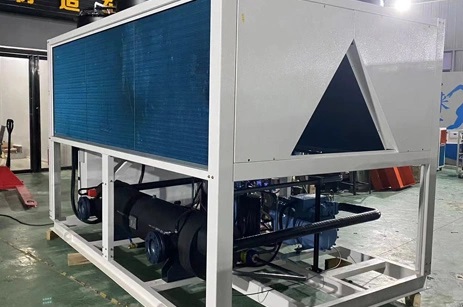
The temperature control provided by water chillers is a key factor in the consistency and strength of the concrete produced. In both ready mix and precast concrete plants, maintaining an ideal water temperature ensures that the mixing process is uniform. When the temperature is too high, the chemical reactions between the water and cement can accelerate, resulting in a weaker mix that may not meet the required standards for construction. On the other hand, if the temperature is too low, the hydration reaction can slow down, leading to delayed curing and weakened concrete. By using a water chiller, concrete producers can prevent these extremes and ensure that the concrete maintains its required strength, durability, and workability, regardless of the time of year or environmental conditions.
In precast concrete production, precise temperature control is even more important due to the specialized molds and casting processes used. The need for rapid and uniform curing in these settings makes the application of a water chiller particularly vital. Water chillers for concrete batch plants are often used in precast facilities to maintain optimal water temperatures, ensuring that the curing process happens under controlled conditions. This allows for faster production cycles without compromising the structural integrity of the concrete. Moreover, by using water chillers, precast concrete plants can avoid issues like surface cracking, which can occur when the mix temperature fluctuates unpredictably. Overall, water chillers in precast concrete applications contribute significantly to the quality and efficiency of the production process.
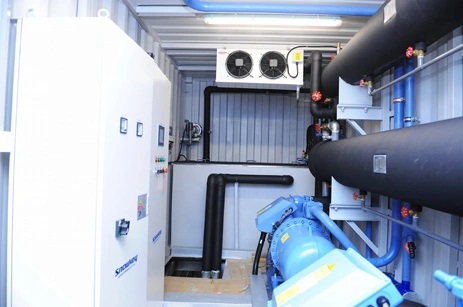
The application of water chillers in ready mix and precast concrete plants is essential for maintaining the quality and consistency of concrete. Whether it's ensuring proper hydration rates in ready mix concrete or controlling curing times in precast applications, water chillers for concrete batch plants provide the necessary temperature control to meet industry standards. By using these chillers, concrete plants can achieve high-quality results, avoid defects, and ensure that the concrete is suitable for use in demanding construction projects. With advances in technology, modern water chillers offer greater efficiency, precision, and reliability, making them a must-have for any concrete production facility.
References