search
The future of cooling is not only about making systems colder—it is about making them smarter, more efficient, and more responsible with resources. As industries continue to expand refrigeration demand, traditional cooling methods are facing new challenges related to energy consumption, water usage, and operating costs. This shift has made understanding evaporative condenser uses increasingly important for companies seeking sustainable cooling solutions.
Unlike conventional heat rejection methods that focus only on removing heat, modern evaporative condensers combine water evaporation and airflow management to improve thermal efficiency. This approach allows refrigeration systems to achieve reliable cooling performance while reducing unnecessary energy demand and supporting more efficient resource management.
Today, evaporative condensers are being adopted across industries such as food processing, cold storage, manufacturing, and commercial refrigeration. For companies planning long-term cooling investments, selecting solutions from experienced evaporative condenser manufacturers can make a significant difference in system efficiency, reliability, and lifecycle value.
This article explores the major evaporative condenser uses, the technologies improving water efficiency, and how modern systems help businesses achieve sustainable cooling performance in 2026.
Cooling systems are essential for many industries, from preserving temperature-sensitive products to maintaining stable industrial processes. However, rising energy costs and increasing environmental requirements have changed how companies evaluate refrigeration solutions.
Understanding different evaporative condenser uses helps businesses select cooling equipment based on actual operating requirements rather than simply choosing a standard solution. Factors such as cooling capacity, climate conditions, water availability, maintenance expectations, and long-term operating costs all influence the final equipment selection.
An evaporative condenser removes heat by combining air circulation with water evaporation. Because evaporation improves heat transfer efficiency, refrigeration systems can often operate under more favorable conditions, helping improve overall system performance.
For large-scale refrigeration applications, equipment selection directly affects reliability and operating efficiency. Working with professional evaporative condenser manufacturers allows businesses to evaluate different requirements and select solutions that match their specific applications.
As sustainability becomes increasingly important in industrial cooling design, understanding where and how evaporative condensers are used helps companies make better decisions for future expansion.
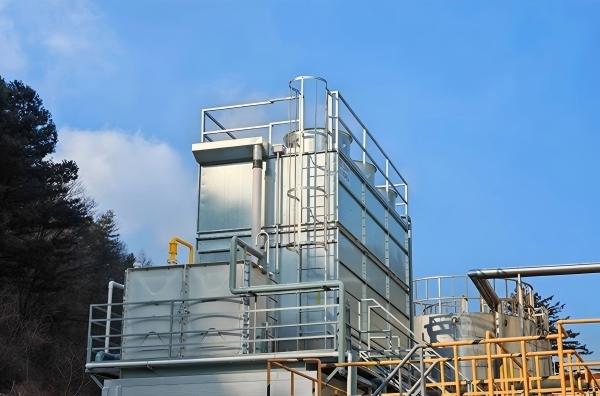
The wide range of evaporative condenser uses demonstrates the flexibility of this technology across multiple industries. From temperature-sensitive products to large industrial processes, these systems provide efficient heat rejection and stable refrigeration performance.
In food processing and cold chain industries, maintaining accurate temperatures is critical. Refrigeration systems must operate continuously to protect product quality during production, storage, and transportation. Evaporative condensers are commonly applied in food factories, seafood processing facilities, freezing plants, and refrigerated warehouses.
Commercial refrigeration is another important application. Supermarkets, retail storage facilities, and distribution centers require reliable cooling systems that can maintain stable conditions while controlling energy consumption. Efficient heat rejection helps these facilities reduce operational pressure during long periods of operation.
Industrial manufacturing also benefits from evaporative condenser technology. Industries including chemical processing, pharmaceutical production, and equipment manufacturing often require precise temperature management. Reliable cooling helps maintain production stability and protect critical equipment.
For companies exploring suitable industrial refrigeration solutions, understanding available equipment options is an important step before making an investment decision. FSE provides cooling solutions designed for different application requirements, and more details about its complete range of cooling products can help businesses evaluate suitable options.
| Industry | Common Evaporative Condenser Uses | Main Benefits |
|---|---|---|
| Food processing | Freezing systems, cold storage, refrigeration processes | Stable temperature control and efficient cooling operation |
| Cold chain logistics | Refrigerated warehouses and distribution facilities | Reliable cooling performance and cost control |
| Manufacturing | Process cooling and equipment protection | Improved production stability |
| Commercial refrigeration | Retail cooling systems and large storage facilities | Continuous operation with improved efficiency |
| Industrial facilities | Central refrigeration applications | Effective heat rejection and system reliability |
Environmental requirements are becoming an increasingly important consideration when designing cooling systems. In 2026, industries are looking for solutions that reduce energy consumption while improving resource management.
Modern evaporative condensers use improved water distribution structures, optimized heat exchange designs, and intelligent controls to maximize cooling efficiency. These improvements allow systems to achieve effective heat removal while reducing unnecessary water consumption.
Advanced control systems can adjust water circulation according to operating conditions. This allows equipment to avoid excessive water usage during periods when full cooling capacity is not required.
By improving efficiency and reducing resource waste, modern evaporative condensers support companies seeking more sustainable industrial operations. Selecting experienced evaporative condenser manufacturers ensures that equipment design matches environmental goals and practical operating requirements.
Technology development continues to improve evaporative condenser efficiency. Modern systems focus on optimizing water usage, airflow performance, and intelligent operation.
Improved spray systems distribute water more evenly across heat exchange surfaces, increasing evaporation efficiency and reducing unnecessary water loss. Better airflow designs also improve heat transfer while helping control energy consumption.
Intelligent monitoring technology provides additional advantages. Sensors and automatic controls can analyze operating conditions and adjust system performance based on real-time demand.
When comparing different solutions, businesses should consider the technical capabilities of evaporative condenser manufacturers. Manufacturers with strong engineering experience can provide equipment that balances cooling performance, efficiency, and long-term reliability.
Although evaporative condensers are designed to improve cooling efficiency, effective water management remains an important factor in achieving sustainable operation. Businesses that understand practical evaporative condenser uses can implement better operating strategies to reduce water waste while maintaining reliable cooling performance.
Regular maintenance is one of the most effective ways to improve water efficiency. Cleaning heat exchange surfaces, checking spray nozzles, and maintaining proper airflow conditions help ensure that water is used effectively during the cooling process. Poor maintenance may reduce heat transfer efficiency and increase unnecessary water consumption.
Water quality management is another important consideration. Minerals and impurities in circulating water can create scaling on heat transfer surfaces, reducing system efficiency over time. Proper water treatment helps maintain equipment performance and extends service life.
Intelligent control systems also contribute to better water management. Modern evaporative condensers can adjust water flow according to cooling demand, preventing excessive water usage during periods of lower load. This allows businesses to achieve a better balance between cooling performance and resource efficiency.
Selecting suitable equipment from reliable evaporative condenser manufacturers is equally important. Well-designed systems can provide optimized water distribution, improved heat transfer, and easier maintenance, helping businesses reduce water consumption throughout the equipment lifecycle.
When investing in cooling equipment, businesses should evaluate not only initial purchase costs but also long-term operating value. The efficiency of an evaporative condenser directly affects energy consumption, water usage, maintenance expenses, and overall return on investment.
One of the main advantages of evaporative condensers is their ability to improve heat rejection efficiency through evaporation. Better heat transfer performance can help refrigeration systems operate more efficiently, potentially reducing energy consumption compared with less efficient cooling approaches.
Water savings also contribute to long-term cost control. Although evaporative systems require water during operation, advanced designs focus on minimizing unnecessary usage through optimized spray systems, automated controls, and improved operating management.
Maintenance costs should also be considered when evaluating ROI. Equipment designed by experienced evaporative condenser manufacturers typically focuses on durability, accessibility, and reliable performance, helping reduce downtime and unexpected repair expenses.
| Evaluation Area | Traditional Consideration | Efficient Evaporative Condenser Approach |
|---|---|---|
| Energy consumption | Focus mainly on initial equipment cost | Evaluate long-term efficiency and operating savings |
| Water management | Basic water circulation control | Use optimized distribution and intelligent regulation |
| Maintenance | Reactive repair after problems occur | Preventive maintenance for stable operation |
| Equipment lifespan | Short-term investment evaluation | Consider total lifecycle value |
| System performance | Focus on cooling capacity only | Balance efficiency, reliability, and sustainability |
A proper ROI analysis should consider the complete lifecycle of the cooling system. While the initial investment is important, long-term savings from improved efficiency and reduced operating challenges often determine the true value of the equipment.
The practical value of evaporative condenser technology can be seen across many industrial applications. Companies in different sectors have adopted these systems to improve cooling reliability while supporting energy and water management goals.
In food processing facilities, evaporative condensers help maintain stable refrigeration conditions for production areas, freezing systems, and cold storage environments. Reliable heat rejection supports product quality and helps businesses manage continuous cooling demands.
Cold chain logistics companies also benefit from efficient evaporative condenser applications. Refrigerated warehouses require dependable systems that can operate for extended periods while controlling energy and maintenance costs. Improved cooling efficiency helps maintain consistent storage conditions.
Manufacturing facilities use evaporative condensers to support process cooling requirements. In industries where temperature stability affects product quality or equipment performance, reliable refrigeration systems provide important operational advantages.
These examples show that the value of evaporative condensers extends beyond basic cooling. With proper system design and support from experienced evaporative condenser manufacturers, businesses can achieve improved efficiency, reduced resource consumption, and more sustainable operations.
As cooling requirements continue to evolve, selecting the right technology partner becomes increasingly important. Companies with specific cooling requirements can connect with FSE’s engineering team to discuss suitable solutions and receive professional guidance based on their application needs.
As industries move toward more sustainable operations in 2026, cooling systems are becoming an important area for improving energy efficiency and resource management. Understanding evaporative condenser uses allows businesses to identify where this technology can provide the greatest value.
From food processing and cold chain logistics to manufacturing and commercial refrigeration, evaporative condensers support reliable heat rejection while helping companies manage operating costs and environmental challenges. Modern water-saving technologies further improve system performance by optimizing water usage and enhancing efficiency.
Choosing suitable equipment requires careful evaluation of application requirements, operating conditions, maintenance expectations, and supplier expertise. Working with professional evaporative condenser manufacturers helps businesses select reliable solutions that deliver long-term performance and sustainability benefits.
With advanced cooling solutions and professional technical support, FSE helps businesses explore efficient refrigeration options designed for modern industrial requirements. The right evaporative condenser system can become an important part of a company’s strategy for achieving reliable, cost-effective, and sustainable cooling.
Evaporative condensers are commonly used in food processing, cold storage, cold chain logistics, manufacturing, commercial refrigeration, and industrial cooling systems where efficient heat rejection is required.
An evaporative condenser uses water evaporation together with airflow to improve heat transfer, allowing refrigeration systems to operate more efficiently under suitable conditions.
Modern evaporative condensers use improved water distribution, intelligent controls, and optimized designs to reduce unnecessary water consumption while maintaining cooling performance.
Businesses should evaluate manufacturer experience, product quality, technical capabilities, application knowledge, and after-sales support before making a decision.
Operating costs are influenced by energy consumption, water usage, maintenance requirements, equipment efficiency, and system operating conditions.
They help businesses improve cooling efficiency, reduce resource consumption, and support more environmentally responsible refrigeration strategies.