search
In the fast-paced construction and concrete production industry, maintaining the quality and durability of materials is a top priority. Enter the aggregate cooling system, a game-changing solution designed to address temperature control challenges. Whether you're pouring concrete in scorching summer heat or tackling large-scale projects where precision is non-negotiable, these systems ensure optimal conditions for success.
This guide will delve deep into the science, mechanisms, and benefits of aggregate cooling systems, as well as offer advice for businesses considering upgrading to one of these systems—especially if you're searching for an aggregate cooling system for sale.
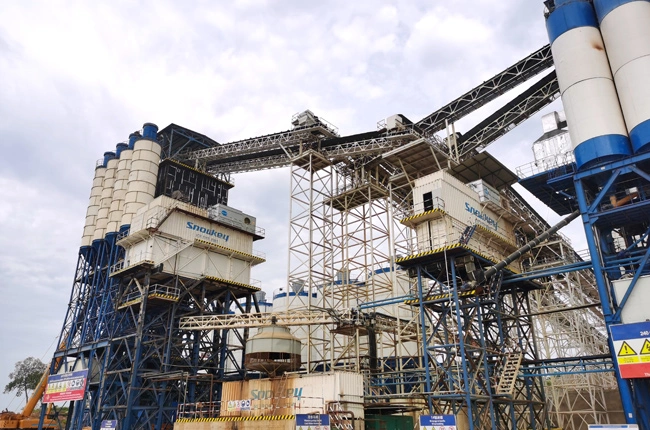
At its core, an aggregate cooling system is designed to lower the temperature of aggregates such as sand, gravel, or crushed stone before they are mixed with cement and water to form concrete. Why is this important? Because temperature regulation during the mixing process directly impacts the quality and durability of the finished product.
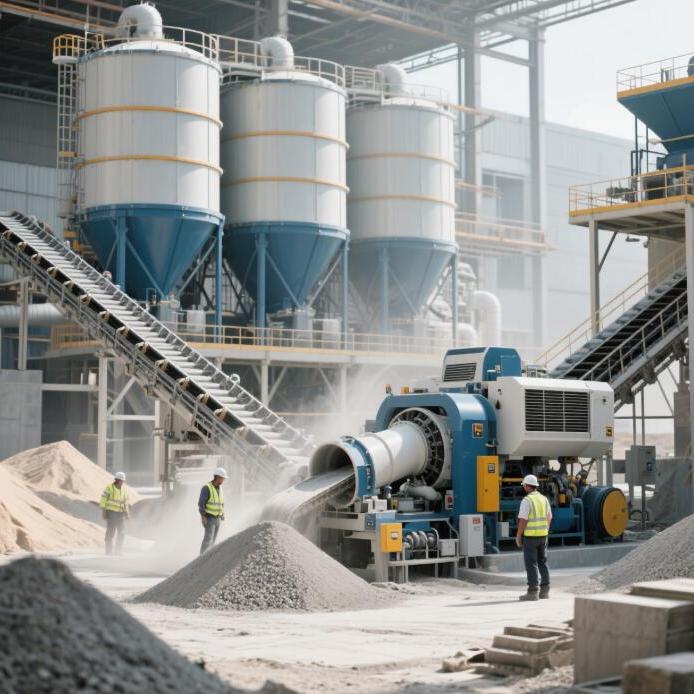
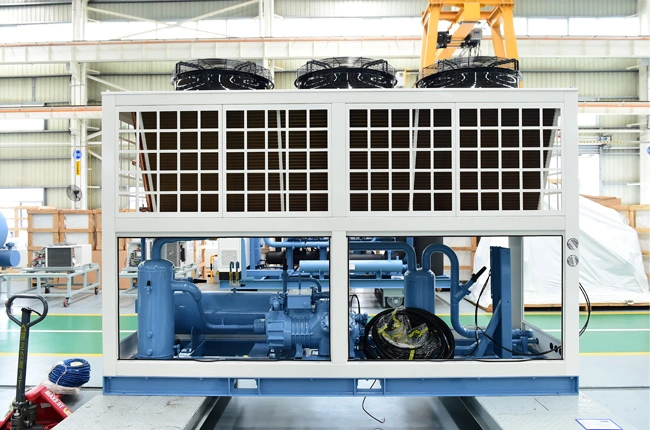
Cooling Unit: This is the heart of the system, designed to generate chilled water, cold air, or liquid nitrogen for cooling purposes.
Storage Bins: Insulated bins store the aggregates, maintaining their cooled state until needed.
Conveyor Systems: Facilitate the movement of aggregates between cooling and mixing stations.
Temperature Monitoring Equipment: Ensures consistent cooling by tracking the temperature of aggregates throughout the process.
Modern aggregate cooling systems often incorporate automated features and energy-efficient technologies, making them smarter and more economical.
Understanding how these systems operate can help businesses maximize their investment and streamline their production process. Here's a step-by-step look at how aggregate cooling systems work:
Aggregates—typically sand, gravel, or crushed stone—are loaded into the system.
Depending on the system, cooling begins as water, air, or liquid nitrogen interacts with the aggregates.
Water Injection: Cold water is sprayed onto aggregates to reduce temperature effectively.
Air Chilling: Chilled air is circulated around aggregates to lower their temperature gradually.
Liquid Nitrogen Cooling: For more extreme cooling needs, liquid nitrogen can achieve rapid temperature drops.
Advanced systems monitor aggregate temperature in real-time, ensuring it remains within the optimal range for concrete production.
Temperature plays a critical role in cement hydration, the chemical reaction responsible for hardening and strengthening concrete. Cooling aggregates prevents overheating, which can otherwise lead to:
Thermal cracks in cured concrete.
Reduced material strength.
Poor durability in high-performance applications.
Investing in an aggregate cooling system offers substantial advantages for businesses in construction and concrete production. Here are key benefits:
Properly cooled aggregates improve the consistency of the mix and reduce the likelihood of thermal cracking, resulting in a stronger and more durable end product.
By minimizing the need for extended cooling time or additional cooling resources, these systems lower overall operational costs.
Energy-efficient systems reduce energy consumption, making them an eco-friendly choice in the era of green construction.
Aggregate cooling systems can be adapted to suit a wide range of projects, from residential builds to large-scale infrastructure undertakings.
With the construction industry's growth, many businesses are looking for an aggregate cooling system for sale to handle expanding project demands efficiently. Upgrading to an advanced system is a strategic move to stay competitive.
When searching for the perfect aggregate cooling system, consider these critical factors to make an informed purchase:
Ensure the system can handle your production scale without bottlenecks.
Modern systems come with energy-saving features that can significantly reduce operational expenses.
Choose a system that meets relevant construction and safety regulations.
Partner with trusted suppliers or manufacturers to ensure product reliability and access to after-sales support.
Pro Tip: If you're new to aggregate cooling systems, reach out to industry experts or request demos to see the equipment in action before purchasing.
Keeping your system in peak condition ensures longevity and optimal performance. Here are some essential tips:
Regular Inspections: Check for wear and tear on components like conveyor belts and cooling units.
Temperature Calibration: Ensure monitoring tools are accurate to prevent cooling inconsistencies.
Clean Equipment Frequently: Dust and debris can affect the system's efficiency, so regular cleaning is a must.
Address Malfunctions Quickly: Minor issues like uneven cooling can escalate if not resolved promptly.
The benefits of an aggregate cooling system are clear: improved material quality, reduced operational costs, and the ability to meet the demands of high-performance construction projects. By regulating aggregate temperatures, these systems help businesses deliver stronger, more durable concrete while boosting overall efficiency.
If you're exploring options for an aggregate cooling system for sale, now is the time to invest in the right solution for your growing business needs. Not only will it elevate your concrete production process, but it will also set you ahead of the competition in today’s demanding construction landscape.