search
Every piece of ice produced in an industrial facility carries more than just water and cooling power—it represents equipment investment, energy consumption, production efficiency, and operational decisions. For businesses planning an ice making plant, understanding the real cost behind every ton of ice is the key to building a profitable and sustainable operation.
Unlike simple commercial ice machines, an industrial ice production plant is a complete production system where refrigeration technology, automation level, infrastructure design, and maintenance strategy work together. A small difference in equipment efficiency or operating management can create a significant impact on long-term expenses and overall return on investment.
From the first equipment purchase to years of daily operation, every stage of an ice making plant affects the final cost of production. Businesses need to evaluate not only how much they spend at the beginning, but also how efficiently the system performs throughout its service life.
This 2026 guide provides a complete analysis of ice production plant costs, covering initial investment, major equipment expenses, installation requirements, operating costs, maintenance considerations, and ROI calculation methods to help companies plan smarter industrial ice solutions.
The initial investment is the first and most visible cost when establishing an ice making plant. However, the total budget is not limited to the price of the ice-making machine itself. A complete industrial ice production system requires multiple supporting components, including refrigeration equipment, water treatment systems, storage solutions, electrical facilities, and automatic control systems.
The investment level mainly depends on the production capacity and application requirements. A small-scale ice production system designed for restaurants or local suppliers generally requires a lower budget, while a large commercial or industrial ice production plant designed for continuous operation requires a much larger investment because of higher output capacity and more advanced supporting systems.
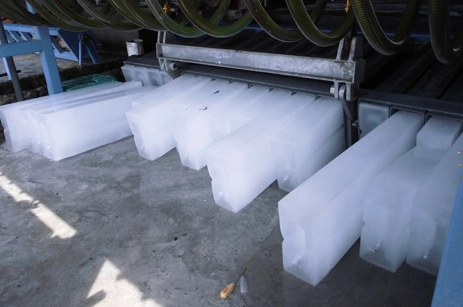
The selected ice type also affects the project cost. Different industries have different requirements for ice products. Seafood companies often prefer flake ice because of its excellent cooling contact area, while beverage suppliers may require cube ice or tube ice. Block ice is commonly used for transportation and long-duration cooling applications. Each ice type requires different equipment structures and production technologies.
Automation level is another important factor influencing upfront costs. A fully automated ice making plant may require a higher initial investment due to advanced monitoring systems, automatic harvesting functions, and reduced labor requirements. However, automation can improve production consistency and reduce operating expenses over the long term.
Before making an investment decision, businesses should evaluate current demand, future expansion plans, available space, and expected operating hours. Selecting the right production capacity helps avoid unnecessary investment while ensuring the system can support business growth.
FSEC provides different industrial ice solutions for various application requirements. Businesses can explore suitable equipment configurations through the official FSE products page to better understand available options.
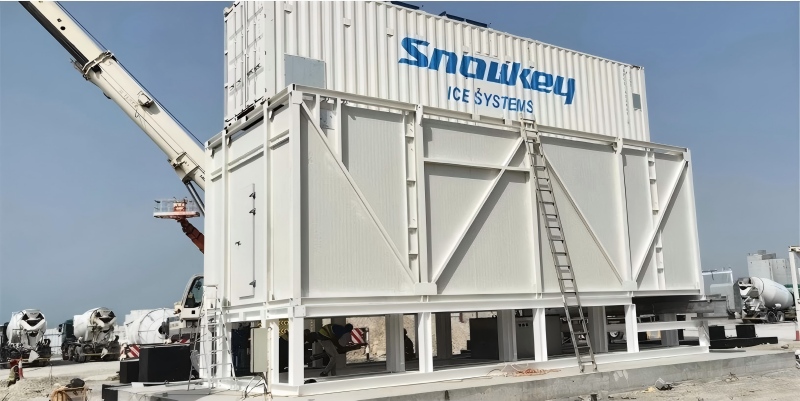
The main equipment represents the largest portion of the investment in an ice production plant. The quality and efficiency of each component directly influence production capacity, energy consumption, ice quality, and overall reliability.
| Equipment Component | Function | Cost Influence |
|---|---|---|
| Ice making system | Produces ice through freezing and refrigeration processes | Major investment factor |
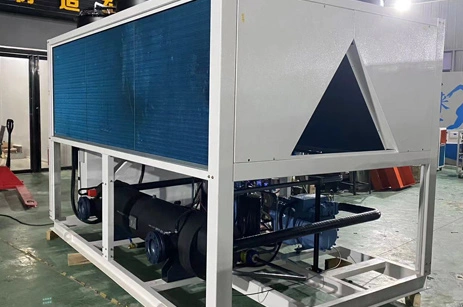
| Refrigeration equipment | Provides cooling capacity through compressors and condensers | Strong influence on energy costs |
| Ice storage equipment | Maintains finished ice quality before distribution | Depends on storage requirements |
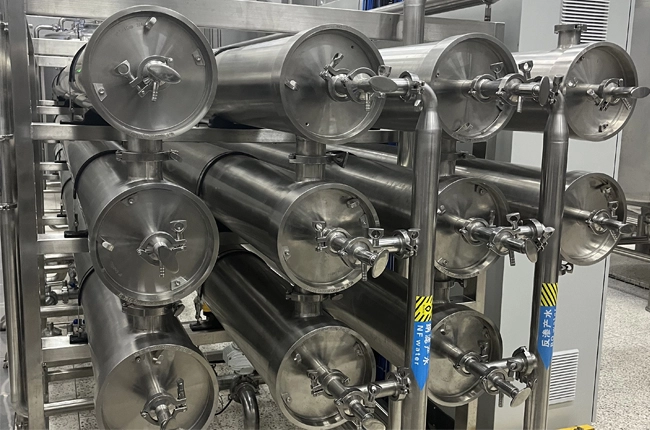
| Water treatment system | Improves water quality and protects production efficiency | Important for hygiene and maintenance |
| Control system | Automates operation monitoring and production management | Varies by automation level |
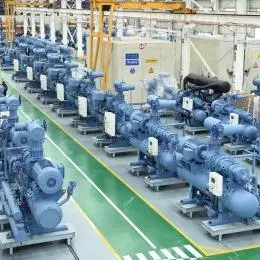
Among these components, the refrigeration system usually has the greatest impact on the lifecycle cost of an ice making plant. Since industrial ice systems often operate for long hours every day, refrigeration efficiency directly affects electricity consumption and production cost per unit of ice.
High-efficiency compressors, optimized cooling designs, and intelligent control systems may increase the initial purchase cost, but they can provide better long-term economic benefits by reducing energy waste and improving operational stability.
When evaluating equipment, businesses should consider not only purchase price but also durability, maintenance requirements, spare parts availability, and technical support. A reliable ice production plant should provide stable performance throughout years of operation.
After selecting the equipment, businesses must prepare the installation environment for their ice making plant. Proper infrastructure ensures that the production system can operate safely, efficiently, and continuously.
Installation costs usually include transportation, equipment assembly, electrical connections, water supply installation, drainage systems, refrigeration piping, ventilation improvements, and commissioning. The final cost depends greatly on the existing conditions of the production facility.
For example, a factory that already has sufficient power capacity, suitable drainage, and available production space may require less additional investment. In contrast, a newly built facility may need extensive preparation work before the ice production plant can begin operation.
Environmental factors should also be considered during site planning. High ambient temperatures, poor ventilation, unstable electricity supply, or unsuitable water quality can affect system efficiency and increase operating expenses.
A professionally installed ice making plant can achieve better performance, reduce unnecessary energy consumption, and minimize future maintenance problems.
After installation, daily operation becomes the main factor affecting profitability. Understanding these expenses helps businesses estimate production costs and calculate potential returns more accurately.
| Operating Cost | Description | Cost Impact |
|---|---|---|
| Electricity | Powers refrigeration systems, pumps, fans, and controls | Usually the largest operating expense |
| Water | Provides raw material for ice production | Depends on output volume and water efficiency |
| Labor | Includes operators and production management | Reduced with automation |
| Cleaning and consumables | Maintains hygiene and equipment performance | Regular operating expense |
Electricity consumption is normally the most important operating cost of an ice production plant. Because refrigeration equipment requires continuous operation, energy-efficient designs can significantly reduce long-term production expenses.
Water quality also influences operating performance. Proper filtration and treatment help maintain ice quality, reduce mineral buildup, and extend equipment service life. This is especially important for industries where hygiene and product safety are critical.
Labor expenses depend on system automation. Modern ice making plants with automated controls can reduce manual intervention and improve production consistency.
Maintenance is an important part of controlling the long-term cost of an ice making plant. Although regular inspection and servicing require additional expenses, they help prevent unexpected equipment failures, reduce downtime, and extend the service life of the entire production system.
A properly maintained ice production plant can maintain stable ice output and operate more efficiently throughout its lifecycle. Routine maintenance usually includes checking refrigeration performance, cleaning ice-making components, inspecting electrical systems, testing control functions, replacing filters, and ensuring that water circulation systems work properly.
The actual maintenance cost depends on several factors, including production capacity, operating hours, environmental conditions, water quality, and equipment design. A large industrial ice making plant running continuously requires more frequent inspections than a smaller commercial system because of higher workloads.
Preventive maintenance is usually more economical than emergency repairs. Unexpected failures can interrupt production schedules, delay customer deliveries, and increase additional costs. For industries such as seafood processing, cold chain logistics, and food distribution, stable ice supply is directly connected with business efficiency.
When selecting an ice production plant, companies should evaluate the complete lifecycle cost instead of focusing only on the initial purchase price. Equipment reliability, technical support, maintenance convenience, and spare parts availability all influence long-term operational performance.
FSEC focuses on providing reliable industrial ice solutions that help businesses improve production stability and reduce operational risks through suitable equipment selection and professional support.
The profitability of an ice making plant depends on the relationship between total investment, production capacity, operating expenses, and revenue generated from ice sales. Conducting an ROI analysis before investment allows businesses to understand the expected payback period and long-term financial benefits.
The basic method for calculating the break-even period is:
Break-even period = Total investment ÷ Monthly net profit
For example, if an ice production plant requires an initial investment of $300,000 and generates an average monthly net profit of $15,000, the estimated payback period would be approximately 20 months.
However, actual results may vary depending on market conditions, production efficiency, electricity prices, labor costs, and equipment utilization. A plant operating at high capacity with stable customers can usually achieve faster returns compared with a system operating below its designed capacity.
Several factors can improve the ROI of an ice making plant. Selecting energy-efficient refrigeration equipment can reduce electricity expenses. Proper maintenance can minimize downtime and repair costs. Optimizing production schedules can improve equipment utilization and increase output efficiency.
For example, businesses supplying seafood markets or cold chain industries often have consistent ice demand throughout the year. This stable demand allows the ice production plant to operate more efficiently and generate predictable revenue.
A successful investment decision should consider both short-term and long-term benefits. A slightly higher initial investment in reliable equipment may create better returns over time because of lower operating expenses, improved productivity, and longer service life.
The total cost of an ice making plant includes far more than the purchase price of the main equipment. Businesses need to evaluate every stage of the investment process, including equipment selection, installation requirements, electricity consumption, water usage, labor expenses, and maintenance planning.
A well-designed ice production plant can provide stable ice supply, reduce dependence on external suppliers, and create long-term business value. The most suitable solution is not always the one with the lowest initial price, but the one that delivers the best balance between investment cost, production efficiency, reliability, and future returns.
For companies planning an industrial ice project, understanding cost structure and ROI expectations is essential before making a decision. FSEC provides professional ice production solutions designed for different industries and application scenarios. Businesses can contact FSEC through the official contact page to discuss project requirements and receive suitable recommendations.
The cost of an ice making plant depends on production capacity, ice type, automation level, equipment configuration, and installation requirements. Small commercial systems may require tens of thousands of dollars, while large industrial plants may require several hundred thousand dollars.
Electricity is usually the largest operating expense because refrigeration systems require continuous energy to maintain ice production. Choosing efficient equipment can significantly reduce long-term power costs.
The payback period varies depending on investment size, production capacity, market demand, selling price, and operating expenses. Businesses with stable ice demand may achieve faster returns.
The main factors include refrigeration system performance, water quality, equipment maintenance, environmental conditions, automation level, and production management.
Businesses can reduce operating costs by selecting energy-efficient equipment, improving maintenance practices, optimizing production schedules, and reducing unnecessary energy and water consumption.
A professional supplier can help businesses select suitable equipment, provide installation guidance, offer technical support, and improve the long-term reliability and efficiency of the ice production system.
PREV