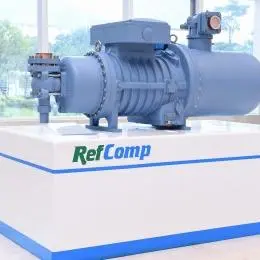
search
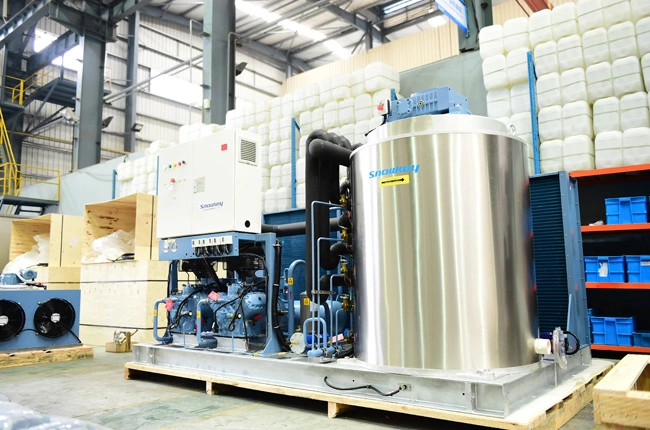
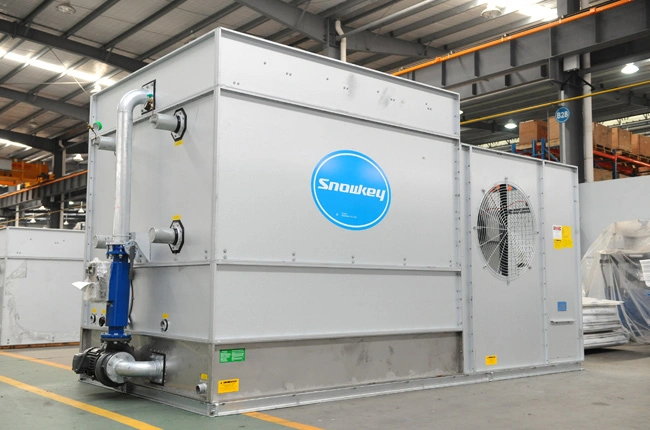
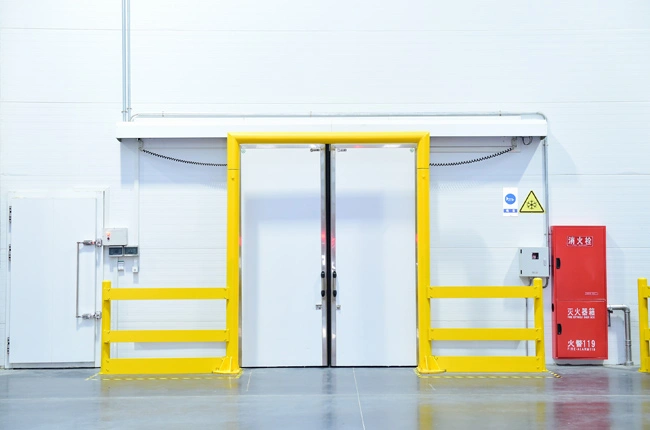
FSE provides comprehensive cold storage solutions designed to meet the diverse needs of various industries. We provide complete services, including refrigeration equipment, cold storage panels, doors, and installation materials, ensuring seamless integration and optimal performance. Our expertise extends from small- and medium-sized cold storages to large facilities with capacities reaching tens of thousands of tons.FSE's cold storage solutions are tailored for specific industries.
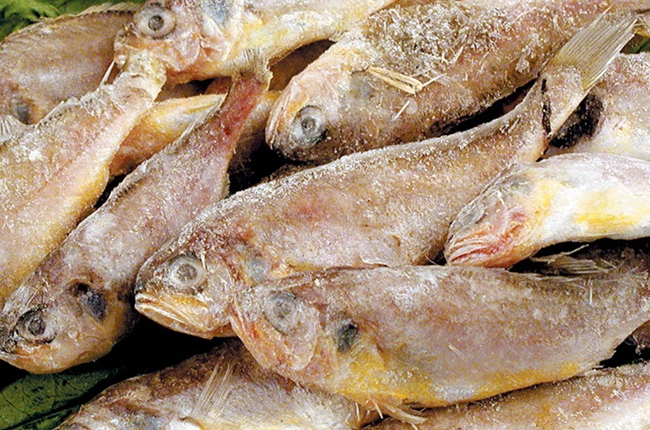
FSE's fishery cold storage solutions are designed to preserve seafood for long durations. These solutions focus on maintaining product freshness and quality. The cold storage rooms typically operate within a temperature range of -18°C to -25°C. This temperature range ensures rapid freezing of seafood and stored at optimal temperatures for extended periods without compromising its texture or taste.

To preserve the freshness and nutritional value of fruits and vegetables, FSE's fruit and vegetable cold storage systems maintain temperatures between 0°C and 5°C. These cold rooms for vegetables and fruit are designed to control both temperature and humidity, preventing spoilage and prolonging the shelf life of fresh produce.
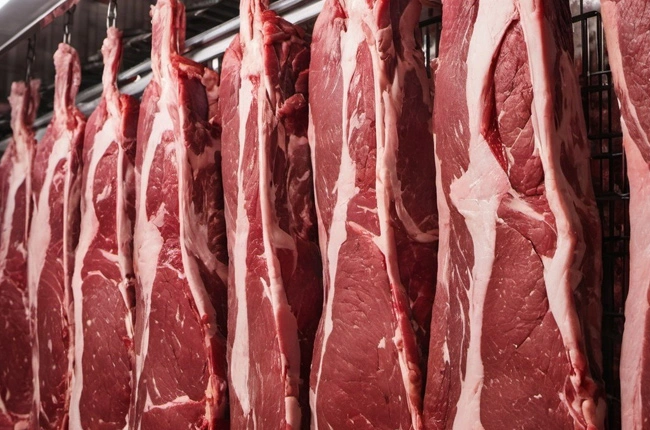
FSE's meat cold storage facilities, often referred to as meat cold rooms, are designed to maintain the quality and safety of meat products. The operating temperatures typically range between -18°C to -25°C. This temperature range ensures that meat is kept frozen, preventing spoilage and preserving its texture and nutritional value.
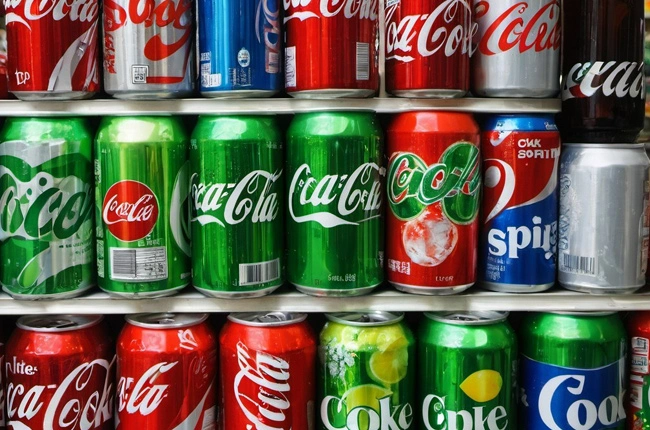
Our beverage cold storage rooms are ideal for maintaining drinks. The optimal storage temperatures generally between 2°C to 8°C. This range helps to extend the shelf life of beverages, ensuring they retain their quality and freshness until consumption.

FSE's dairy cold storage solutions are tailored to preserve the freshness and quality of milk, cheese, yogurt, and other dairy products. These cold rooms usually operate at temperatures between 0°C to 4°C. In this temperatures, the dairy products are stored in the right conditions to prevent spoilage.

Designed for sensitive medical supplies, pharmaceuticals, and vaccines, FSE's medical cold storage rooms operate within strict temperature ranges. These typically fall between 2°C to 8°C for pharmaceuticals and vaccines, and -20°C to -30°C for certain biological samples and specialized medical products.
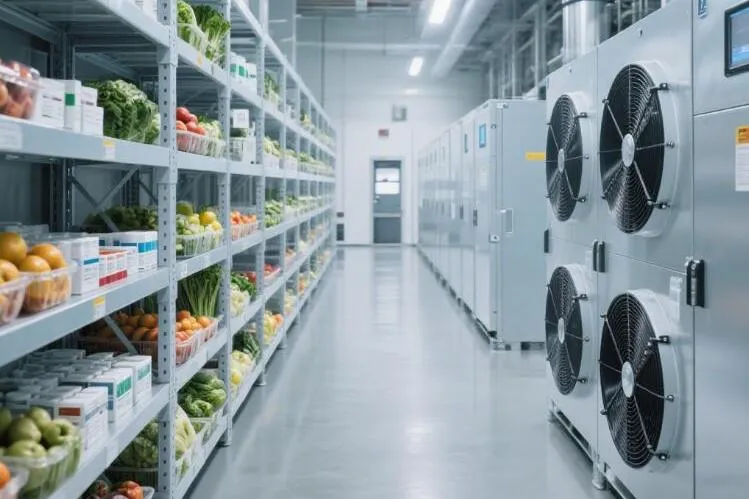
Cold storage refrigeration systems are vital for preserving perishable goods in industries like food, pharmaceuticals, and agriculture. Cold storage facilities maintain specific temperature levels to ensure product freshness and safety, and they rely on efficient cool room refrigeration units to achieve this.
A typical cold storage refrigeration system works through a cycle of compression, condensation, expansion, and evaporation. Here's how it operates:
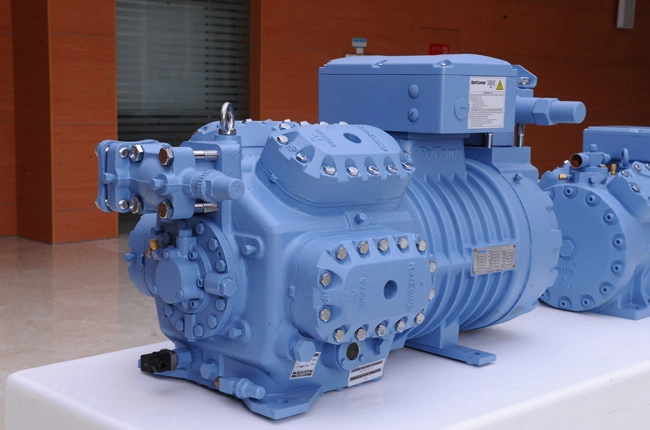
Compression: Refrigerant gas is compressed, raising its temperature and pressure.
Condensation: The hot, pressurized refrigerant flows through a condenser, dissipating heat and turning into a liquid state.
Expansion: The refrigerant passes through an expansion valve, lowering its pressure and cooling it.
Evaporation: The chilled refrigerant absorbs heat inside the cool room refrigeration unit, reducing the temperature in the storage space.
At FSE, we specialize in state-of-the-art cold storage refrigeration systems designed to meet diverse temperature control needs. Whether you require a small cool room refrigeration unit or a large-scale industrial solution, our products ensure optimal performance and energy efficiency.

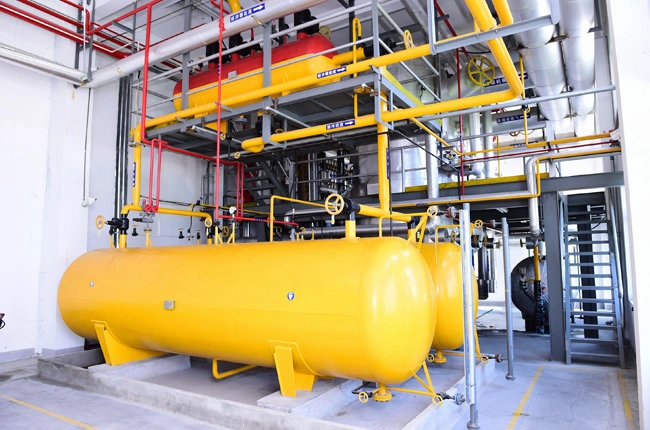
Cold chain logistics (meat, dairy, seafood)
Agricultural storage (fruits, vegetables, grains)
Supermarkets, hotels & catering industry
Pharmaceutical storage (vaccines, medicines)
Industrial cooling (chemical materials, labs)
Cold storage refrigeration systems are vital for preserving perishable goods in industries like food, pharmaceuticals, and agriculture. Cold storage facilities maintain specific temperature levels to ensure product freshness and safety, and they rely on efficient cool room refrigeration units to achieve this.
A typical cold storage refrigeration system works through a cycle of compression, condensation, expansion, and evaporation. Here's how it operates:
Compression: Refrigerant gas is compressed, raising its temperature and pressure.
Condensation: The hot, pressurized refrigerant flows through a condenser, dissipating heat and turning into a liquid state.
Expansion: The refrigerant passes through an expansion valve, lowering its pressure and cooling it.
Evaporation: The chilled refrigerant absorbs heat inside the cool room refrigeration unit, reducing the temperature in the storage space.
At FSE, we specialize in state-of-the-art cold storage refrigeration systems designed to meet diverse temperature control needs. Whether you require a small cool room refrigeration unit or a large-scale industrial solution, our products ensure optimal performance and energy efficiency.